Electric vehicles have evolved far beyond short city drives. With longer ranges and expanding charging networks, they’re fully capable of going the distance. The open road is no longer reserved for combustion engines. Now, it’s powered by clean energy, near-silent cabins, and a new kind of adventure.
Charging stops become part of the journey—an excuse to discover a local coffee shop, take a walk, or explore something unexpected just off the map. Instant torque and smooth acceleration turn every curve and climb into something to look forward to.
Forget stressing over charge levels or plotting backup plans like a lunar mission. Today’s EV road trips are about as chill as your favorite driving playlist. So buckle up, plug in, and hit the road. The EV era is here, and the adventure is just getting started.
Central Valley to Sierra Nevada Loop, California

Level 3 Charging Density: Excellent | Mountain Drama: Spectacular | Tourist Crowds: Mercifully Seasonal
This 400-mile loop from Fresno through Yosemite’s gateway towns and back delivers California’s greatest hits without the coastal traffic jams and $30 parking fees. The route combines agricultural valleys with alpine drama, proving that California’s interior has more personality than a San Francisco startup pitch deck.
The infrastructure reality: Fresno, Modesto, and Merced boast robust DC fast charging networks, featuring Tesla Superchargers and Electrify America stations that offer 250kW speeds, charging faster than you can explain why you didn’t just drive the PCH like everyone else. Recent installations in Madera and Oakhurst acknowledge that people visit places besides San Francisco and Los Angeles.
The route climbs from Central Valley flatlands (200 feet) to Sierra Nevada foothills (4,000+ feet), with grades gentle enough that your efficiency won’t crater like a tech stock during market corrections. Yosemite’s entrance stations at 4,000 feet offer views that make the climb worthwhile, while regenerative braking on descents practically pays for itself.
Spring brings wildflower blooms that make Instagram influencers weep with joy, while fall offers comfortable temperatures and fewer crowds than Yosemite sees in summer tourist season. Winter driving provides authentic California mountain experiences, where “snow chains required” signs remind you that paradise has weather, too.
Central Valley farm stands offer produce so fresh it makes grocery store offerings look like museum exhibits. At the same time, Sierra Nevada Brewery stops provide craft beer that justifies the word “craft” rather than using it as marketing nonsense.
Blue Ridge Parkway Circuit, North Carolina and Virginia
Level 3 Charging Density: Good | Mountain Charm: Maximum | Moonshine Authenticity: Unverified
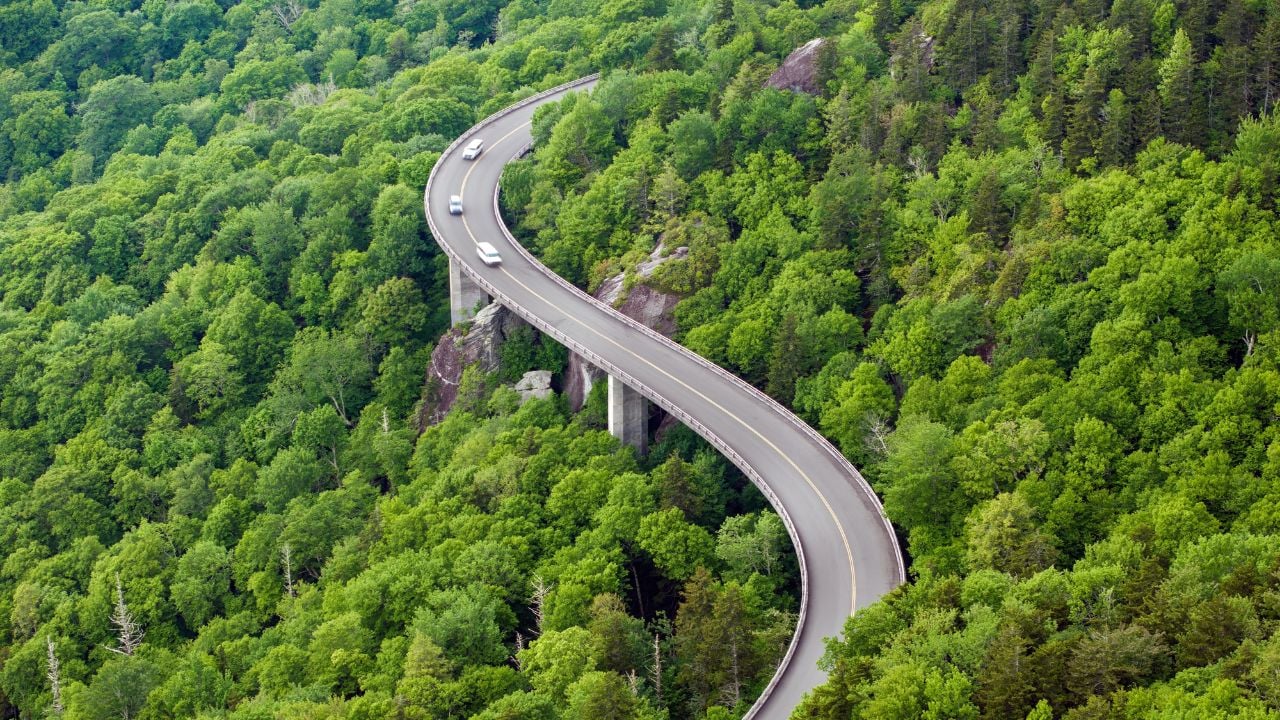
This 469-mile mountain masterpiece proves that EV road trips don’t have to involve ocean views and overpriced coastal real estate. With charging stations strategically placed in Asheville (population: craft brewery enthusiasts), Boone (elevation: high enough to make flatlanders wheeze), and Roanoke (claim to fame: not being boring), you can cruise the Appalachians without range anxiety ruining your mountain zen.
The infrastructure: 85+ DC fast charging locations within 10 miles of the route, including new Electrify America stations that charge faster than a mountain gossip network spreads news. The parkway’s 35 mph speed limit means your efficiency numbers will look so good, you’ll screenshot them for bragging rights.
The parkway climbs to 6,047 feet at Richland Balsam, but the grades are gentler than a Southern accent. Your EV’s regenerative braking will add range on the downhills, turning physics into your personal energy-saving superhero.
Fall foliage season transforms this route into nature’s most expensive screensaver, with leaf-peeping traffic that moves slower than a government website during tax season. But hey, at least you’re not burning gas while sitting still.
Olympic Peninsula Loop, Washington

Level 3 Charging Density: Adequate | Ecosystem Diversity: Ridiculous | Coffee Quality: Predictably Excellent
Washington’s Olympic Peninsula offers more climate zones than a confused weather app, all within 330 miles of well-planned electric motoring, from temperate rainforests that make Jurassic Park look understated to rugged coastlines that’ll make you question why you ever lived anywhere with palm trees.
Charging reality: Port Angeles, Forks, and Aberdeen offer DC fast charging that works even in the rain (which is always). The loop features 40+ charging stations, with newer installations offering 150kW speeds that’ll fill your battery faster than a Pacific Northwest resident can complain about Californians moving north.
Yes, it rains. A lot. Your EV’s efficiency improves in cool, damp conditions, unlike your mood. Pack rain gear and embrace the liquid sunshine — this is peak Pacific Northwest authenticity.
The route includes sections where cell service disappears completely, offering blessed relief from social media notifications and LinkedIn thought leadership posts. Wildlife sightings are frequent, with elk, black bears, and the occasional Sasquatch enthusiast providing entertainment better than any podcast.
Door County Peninsula, Wisconsin

Level 3 Charging Density: Surprisingly Good | Cheese Curd Availability: Excessive | Pretension Level: Blissfully Low
Wisconsin’s “Cape Cod of the Midwest” delivers 60 miles of lakefront charm without the New England attitude or prices. This loop proves that great EV road trips don’t require mountain views or ocean drama — sometimes cheese, cherries, and genuine Midwestern niceness are enough.
Infrastructure facts: Sturgeon Bay, Fish Creek, and Sister Bay feature reliable DC fast charging, with Wisconsin’s forward-thinking utility companies installing chargers faster than locals can say “open, just gonna squeeze past ya.” The flat terrain means range estimates stay more consistent than a Green Bay Packers fan’s loyalty.
Fall brings cherry orchards in full color, while summer offers lakeside temperatures that won’t make your battery management system work overtime. Winter driving provides that authentic Midwest experience where everyone drives sensibly because nobody wants to end up in a ditch explaining themselves to their insurance company.
The peninsula’s 11 lighthouses offer more photo opportunities than influencers at a sponsored event. At the same time, local fish boils provide cultural experiences that can’t be replicated anywhere else (thankfully or unfortunately, depending on your perspective).
Kancamagus Scenic Loop, New Hampshire

Level 3 Charging Density: Adequate | Fall Foliage: Legendary | Leaf-Peeper Traffic: Soul-Crushing
The “Kanc” offers 34.5 miles of mountain curves that’ll make you forget about Tesla’s autopilot and remember why manual driving can be meditative. This White Mountain gem combines New England charm with charging infrastructure that acknowledges the 21st century exists.
The charging situation: Conway and Lincoln provide DC fast charging that works reliably, even when leaf-peeper traffic brings more tourists than a small town should legally be required to handle. Recent installations include 150kW stations that charge faster than you can consume overpriced maple syrup.
The route climbs to 2,855 feet at Kancamagus Pass, with grades steep enough to make your regenerative braking system earn its keep. Energy recovery on descents helps offset the climbing losses, turning physics into your copilot.
October brings foliage that justifies every “New England in fall” cliché ever written, along with traffic that moves slower than dial-up internet. Summer offers cooler temperatures and better charging efficiency, while winter provides that authentic New England experience where you question your life choices while admiring snow-covered peaks.
Columbia River, Oregon

Level 3 Charging Density: Excellent | Waterfall Count: Excessive | Brewery Density: Dangerously High
The Columbia River Gorge delivers 80 miles of geological drama carved by ice-age floods that make your daily commute problems seem adorably insignificant. This route combines natural spectacle with a charging infrastructure dense enough to satisfy the most anxious range-watcher.
Infrastructure excellence: Hood River, Troutdale, and Cascade Locks feature robust DC fast charging networks, with Oregon’s progressive energy policies ensuring stations work reliably. The state’s renewable energy grid means your EV runs on actual clean power, not just marketing promises.
Multnomah Falls drops 620 feet and attracts more tourists than a free Wi-Fi hotspot, but it’s genuinely spectacular enough to justify the crowds. Latourell Falls offers similar beauty with fewer Instagram poses blocking your view. The route follows the Columbia River with minimal climbing, keeping efficiency high and range anxiety low. Consistent grades mean your energy consumption stays predictable, unlike Oregon weather forecasts.
The gorge’s brewery concentration rivals any college town, offering craft beer quality that makes charging stops feel less like necessary evils and more like destined discoveries.
Great Smoky Mountains, Tennessee, and North Carolina

Level 3 Charging Density: Good | Tourist Trap Density: Overwhelming | Moonshine Quality: Allegedly Improved
America’s most visited national park offers 384 square miles of misty peaks, preserved homesteads, and enough kitsch to power a small city. The loop combines natural beauty with charging infrastructure that acknowledges EVs exist, unlike some national parks that still think electric cars are a passing fad.
Charging reality: Gatlinburg, Cherokee, and Pigeon Forge provide DC fast charging stations strategically placed near attractions that range from genuinely educational to aggressively tacky. Recent infrastructure improvements include 150kW stations that charge faster than you can decide which dinner theater to avoid.
Clingmans Dome reaches 6,643 feet, offering views that make the climb worthwhile and regenerative braking that makes the descent profitable. The gradual grades keep efficiency reasonable, even when loaded with souvenir moonshine and fudge samples.
Black bears are common and surprisingly intelligent — they’ve learned that Tesla trunks often contain trail mix and organic snacks. Store food properly, and maybe don’t leave your charging cable smelling like peanut butter.
Florida Keys Overseas Highway

Level 3 Charging Density: Adequate | Hurricane Risk: Seasonal | Coral Reef Access: Unmatched
The Overseas Highway stretches 113 miles across 42 bridges, creating the sensation of driving on water without the insurance complications. This route proves that EV road trips work even in places where the highest elevation is a speed bump.
Infrastructure update: Recent installations in Key Largo, Marathon, and Key West provide DC fast charging that works reliably, even in tropical conditions that would challenge a smartphone battery. The flat terrain and consistent temperatures keep range predictions more accurate than a weather forecast.
The Seven Mile Bridge offers unobstructed ocean views and enough elevation to make your altimeter register something other than sea level. The original bridge serves as a fishing pier, offering a unique perspective on how infrastructure improvements benefit everyone (except maybe the fish).
The season runs from June through November, when smart tourists leave and smarter locals prepare. EV evacuation planning requires more forethought than gas cars, but the experience of driving electric through paradise makes the logistics worthwhile.
Manatees, dolphins, and sea turtles provide entertainment that beats any streaming service, while coral reefs offer snorkeling that makes charging breaks feel like mini-vacations.
Natchez Trace Parkway, Mississippi to Tennessee
Level 3 Charging Density: Moderate | Historic Significance: Substantial | Modern Amenities: Improving
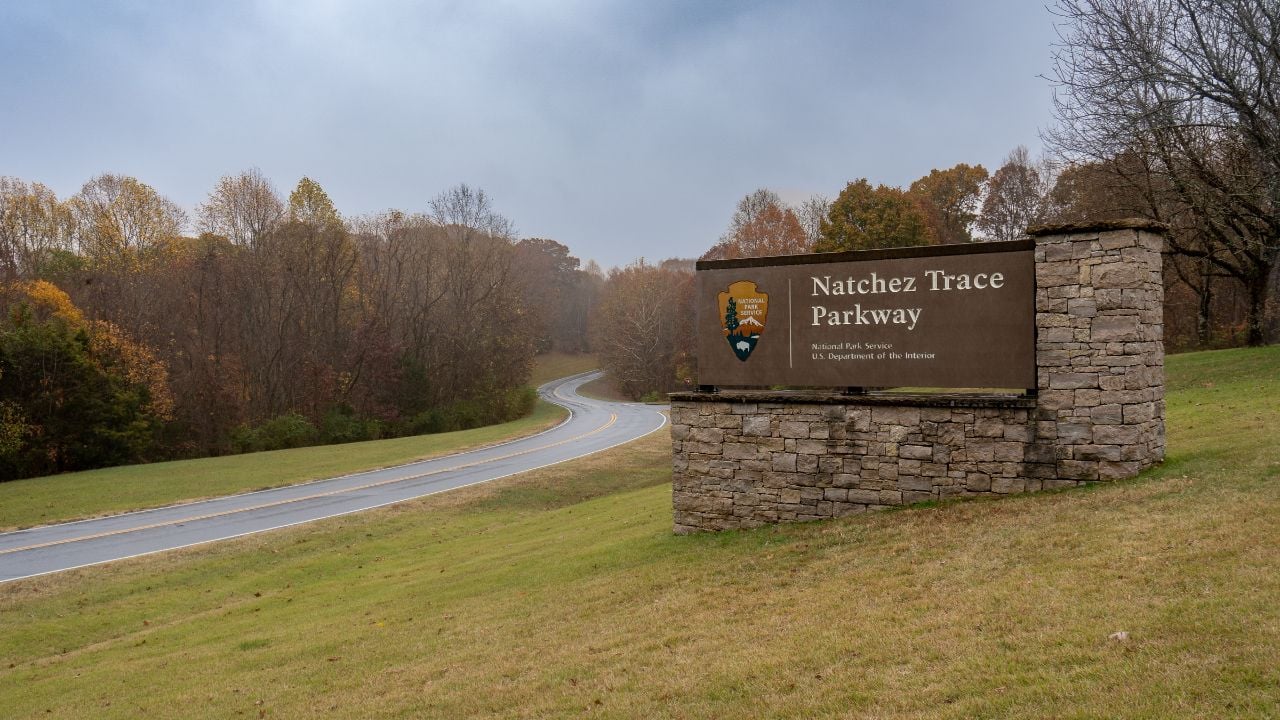
This 444-mile historic route follows paths used by Native Americans, early settlers, and people with questionable navigation skills for over 8,000 years. Today’s version offers paved roads, working bathrooms, and charging infrastructure that acknowledges the 21st century exists.
The infrastructure story: Tupelo, Jackson, and Nashville provide reliable DC fast charging, with recent additions acknowledging that electric cars need more than good intentions and scenic views. The parkway’s 50 mph speed limit maximizes efficiency and minimizes the chance of becoming roadkill statistics.
Native American burial mounds, Civil War battlefields, and preserved homesteads provide cultural education that makes charging stops feel productive rather than tedious. The route tells American history through landscapes that haven’t been strip-malled into oblivion.
The parkway serves as a protected corridor for deer, wild turkeys, and other creatures that haven’t learned to fear automobiles. Drive carefully — explaining an insurance claim involving a confused armadillo requires patience nobody possesses.
Lake Tahoe Scenic Loop, California and Nevada

Level 3 Charging Density: Good | Alpine Beauty: Stunning | Tourist Season Chaos: Legendary
This 72-mile loop circles a lake so blue it makes Caribbean postcards look washed out, surrounded by peaks that dwarf most East Coast mountains. The route combines alpine scenery with charging infrastructure that works at altitude, unlike some people’s decision-making abilities.
Charging at altitude: South Lake Tahoe, Incline Village, and Reno provide DC fast charging that functions reliably at 6,200 feet elevation. Cold weather reduces charging speeds but improves battery cooling, creating a natural balance that physics textbooks find satisfying.
The loop includes climbs to 7,000+ feet, where thin air affects both humans and internal combustion engines (but not electric motors, obviously). Your EV’s consistent power delivery makes mountain passes feel less dramatic than they are. Seasonal considerations: Summer brings crowds that rival Black Friday shopping, while winter offers snow conditions that make AWD electric vehicles feel smugly superior to rear-wheel-drive sports cars.
Nevada’s gaming establishments provide entertainment during extended charging sessions, though the house edge on slot machines remains worse than depreciation on luxury cars.
Sedona Red Rock Loop, Arizona

Level 3 Charging Density: Adequate | New Age Spirituality: Overwhelming | Rock Formation Drama: Genuine
Sedona’s red sandstone formations create landscapes so dramatic they make Monument Valley look understated. This 20-mile loop proves that sometimes the best road trips are short, sweet, and surrounded by rocks that make you question geology textbooks.
Infrastructure reality: Sedona and Cottonwood provide DC fast charging that works reliably in desert conditions, though summer temperatures above 110°F can slow charging speeds faster than tourist traffic on Highway 179.
At 4,300 feet, Sedona offers cooler temperatures than Phoenix’s surface-of-the-sun conditions, improving both battery performance and human comfort levels. The moderate climate makes year-round driving pleasant, unlike places where seasons are measured in suffering.
Sedona’s vortex sites attract people seeking energy healing, crystal enlightenment, and Instagram opportunities. Whether you believe in spiritual energy or not, the rock formations provide genuine natural beauty that doesn’t require mystical explanation.
Red rocks photograph so well that they make amateur photographers feel professional, leading to social media posts that may annoy friends and family.
Lake Superior, Michigan

Level 3 Charging Density: Moderate | Wilderness Authenticity: Maximum | Cell Service: Spotty
Michigan’s Upper Peninsula boasts over 300 miles of Lake Superior coastline, making the Great Lakes truly live up to their name. This route combines genuine wilderness with charging infrastructure that acknowledges civilization exists, even in places where it barely does.
Infrastructure challenges: Marquette, Munising, and Houghton provide reliable DC fast charging, though distances between stations require actual trip planning rather than wishful thinking. Recent installations acknowledge that electric cars venture beyond suburban shopping centers.
Lake effect snow, summer thunderstorms, and temperature swings that would challenge a meteorologist’s sanity create driving conditions that test both vehicles and drivers. Your EV’s consistent power delivery shines when the weather makes the roads treacherous.
This route offers genuine solitude, cell service dead zones, and wildlife encounters that remind you that civilization is optional. Black bears, moose, and wolves provide entertainment that beats any streaming service, though close encounters aren’t recommended.
The region’s copper and iron mining heritage created communities that understand hard work, practical solutions, and vehicles that function in harsh conditions: perfect preparation for electric vehicle adoption.
An Electrifying Road Trip Experience

These routes prove that electric road trips have evolved from science experiments to legitimate adventures. Range anxiety has been replaced by charging strategy, turning pit stops into opportunities rather than emergencies. The silence of electric motors lets you hear conversations, wildlife, and your thoughts — revolutionary concepts in our noise-polluted world.
Each route offers its character, from coastal drama to mountain serenity to desert spirituality. The question isn’t whether EVs can handle road trips anymore: it’s which adventure matches your particular brand of wanderlust.
The charging infrastructure continues improving faster than social media algorithms adapt to your interests. Today’s range of concerns will seem quaint in five years, like worrying about finding ATMs or pay phones. But the memories of silent mornings, unexpected discoveries, and landscapes that make you forget about destination arrival times? Those will last longer than your car’s warranty.
So pick a route, plan your charging stops, download some podcasts, and remember — the journey matters more than the destination, especially when it doesn’t involve gas stations.
Your electric adventure awaits. Just don’t forget to drive it instead of just posting about it.